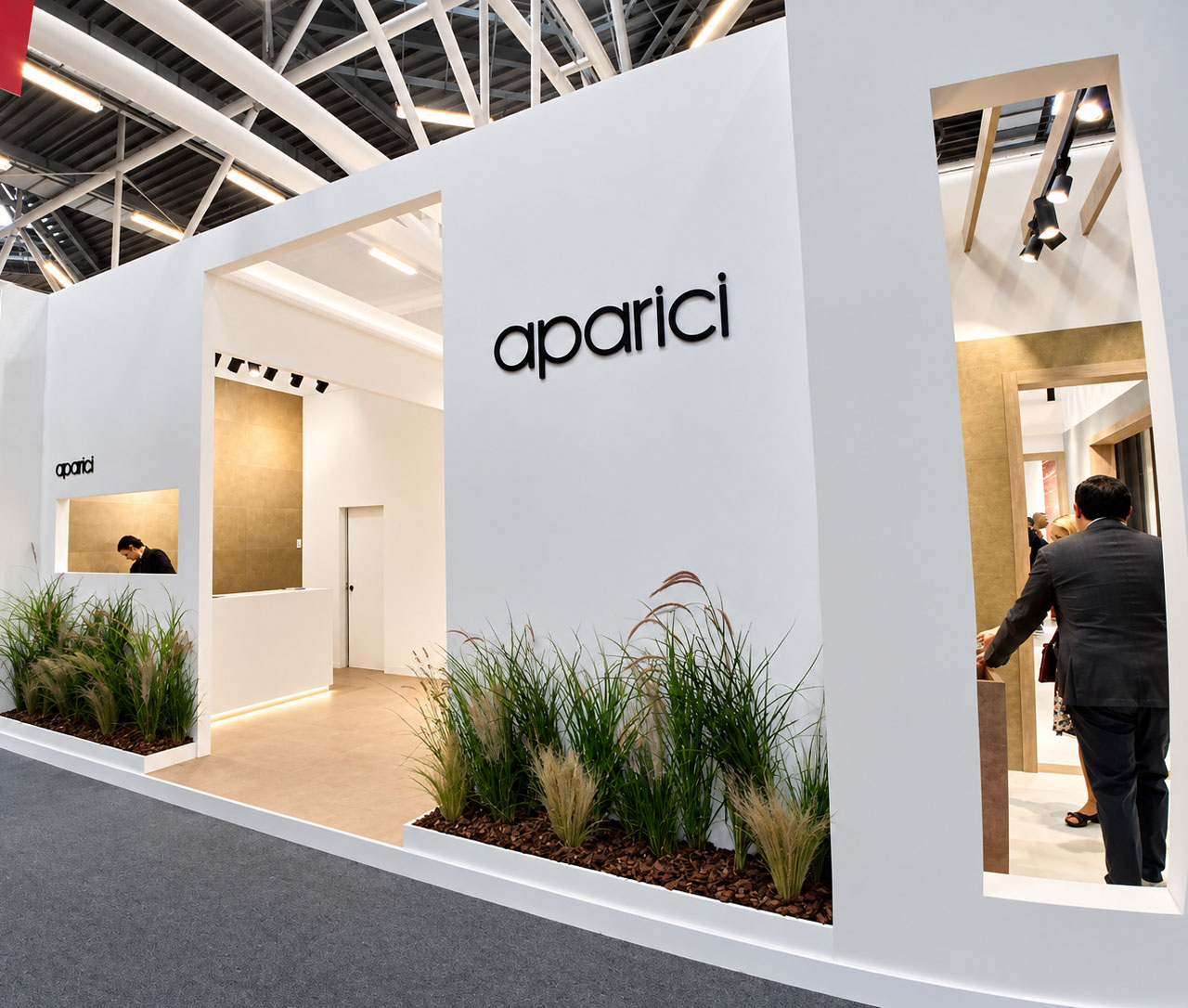
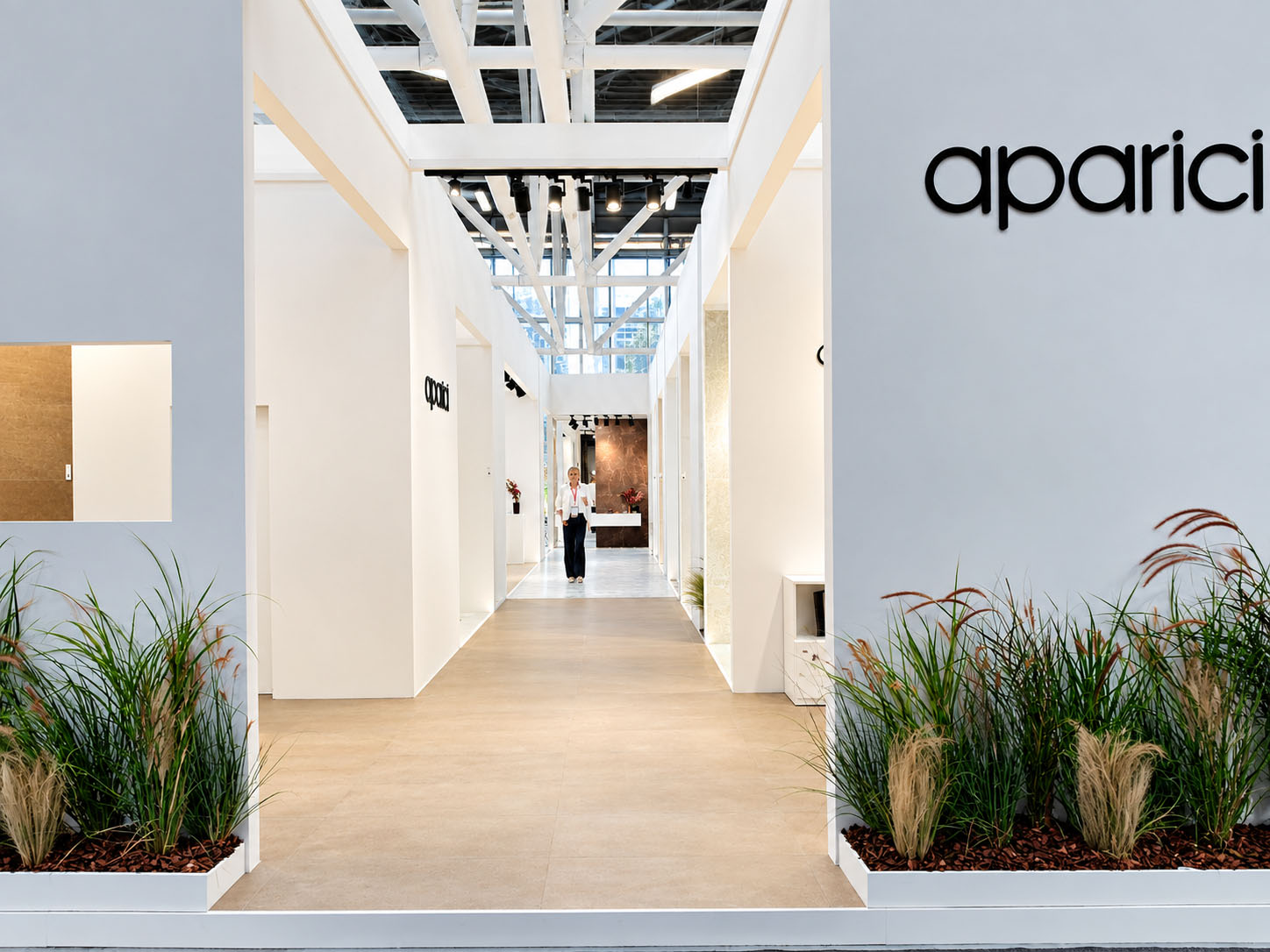
Cersaie 2026 is now part of Cerámicas Aparici’s history. Over five days, from 21 to 25 September, Bologna once again became one of the major international hubs for ceramics, architecture and interior design. This edition was characterised by innovation, the search for new material expressions and an interest in ceramic solutions capable of bringing personality to spaces.
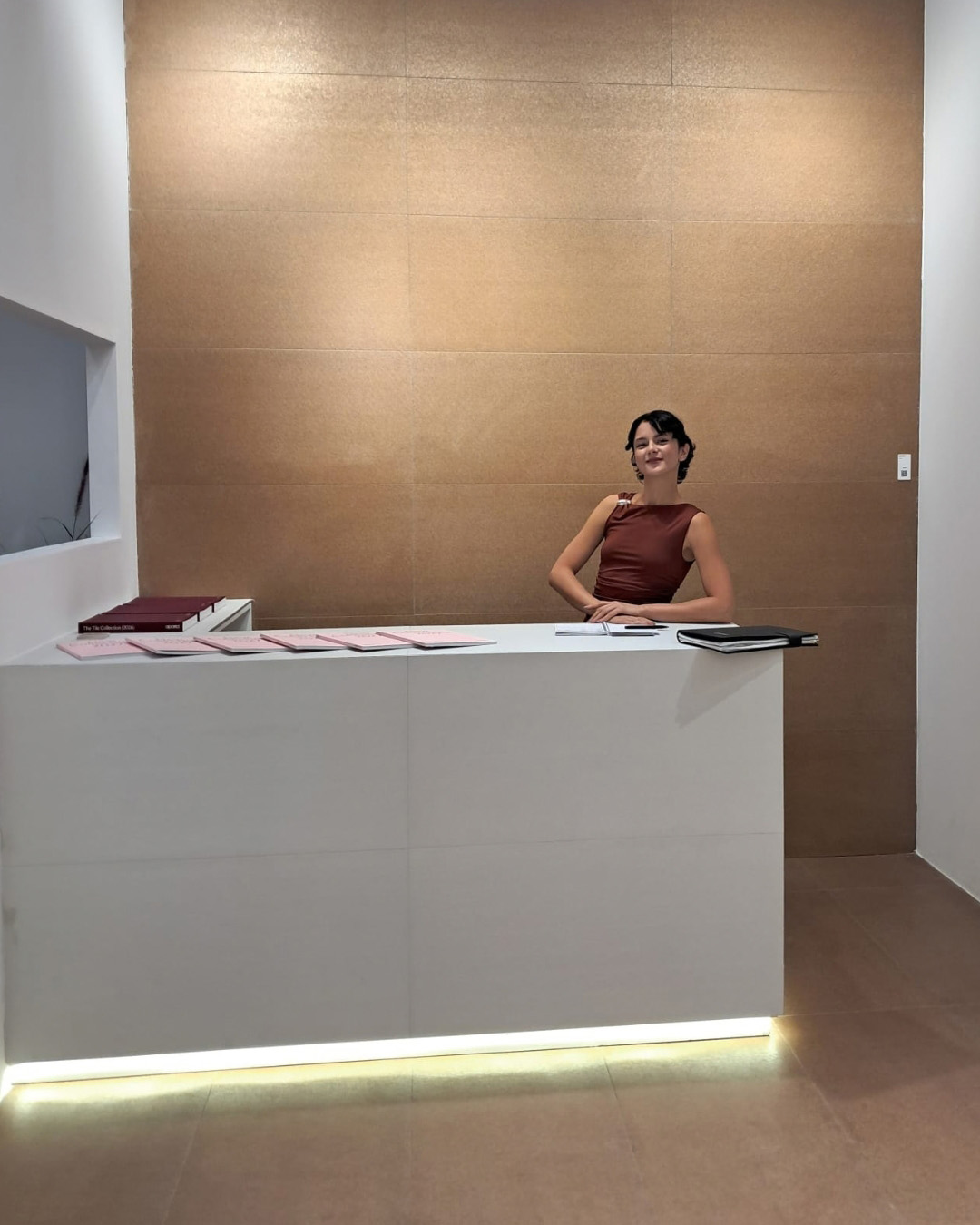
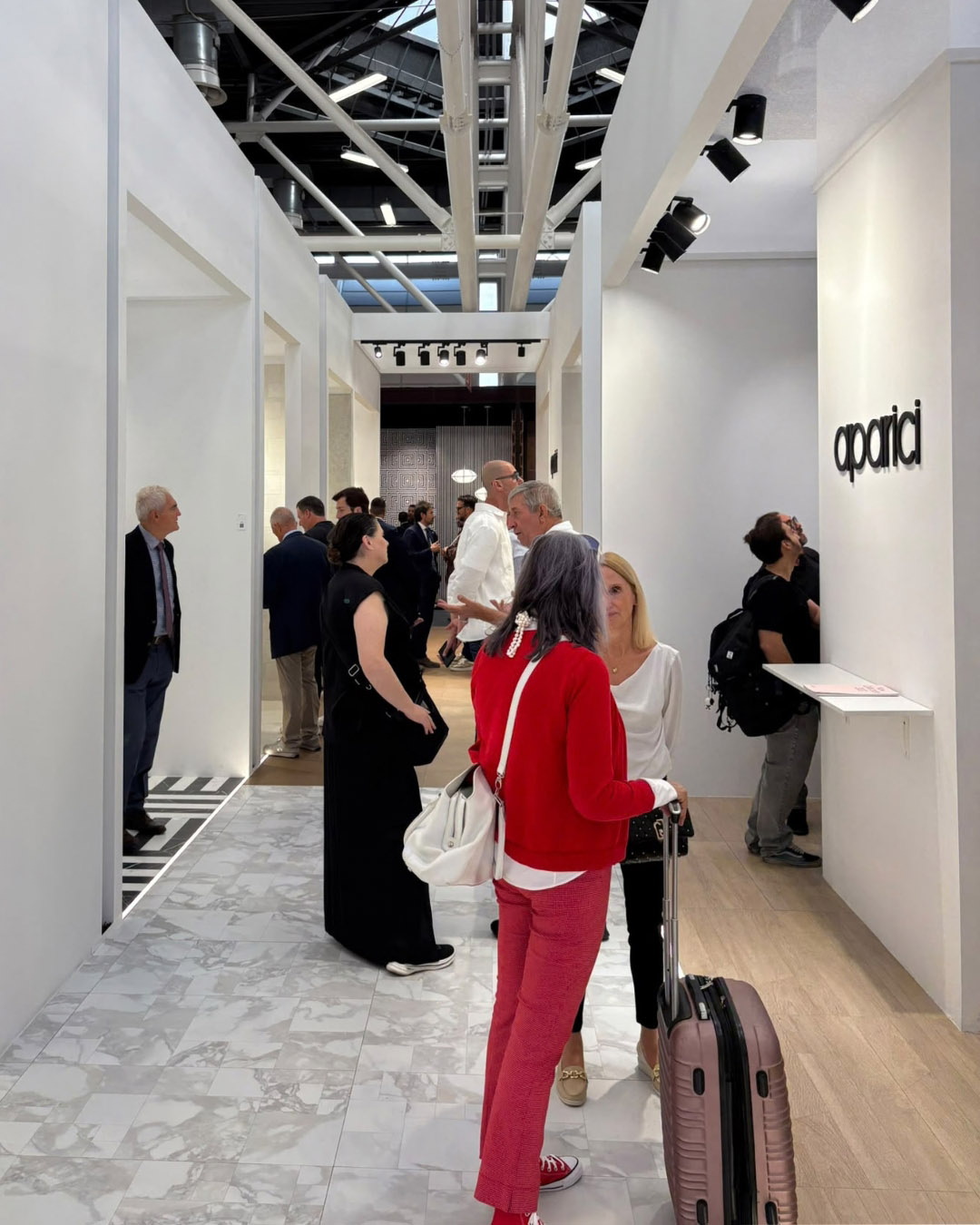
For Cerámicas Aparici, the trade fair provided a fresh opportunity to present its latest offerings to architects, interior designers, distributors and industry professionals from a range of markets. The new products on display sparked great interest amongst visitors, who were able to explore the new collections up close – their textures, colours and finishes – as well as the expanded formats of some of the ranges already featured in the Aparici catalogue.
The Cersaie 2026 experience has thus proved very positive for the brand, both in terms of the reception given to the new products and the chance to meet professionals and partners in person once again. This edition has provided an opportunity to showcase the evolution of the Cerámicas Aparici catalogue and to share new ways of understanding the application of ceramics in architecture and interior design.
New collections: material, texture and expression
Among the key new releases presented at Cersaie 2026 are Marais, Alfar, Manoa, Sfumato, Uffizi and Smelt – six collections that explore different interpretations of the ceramic surface and expand the range of options available for contemporary projects.
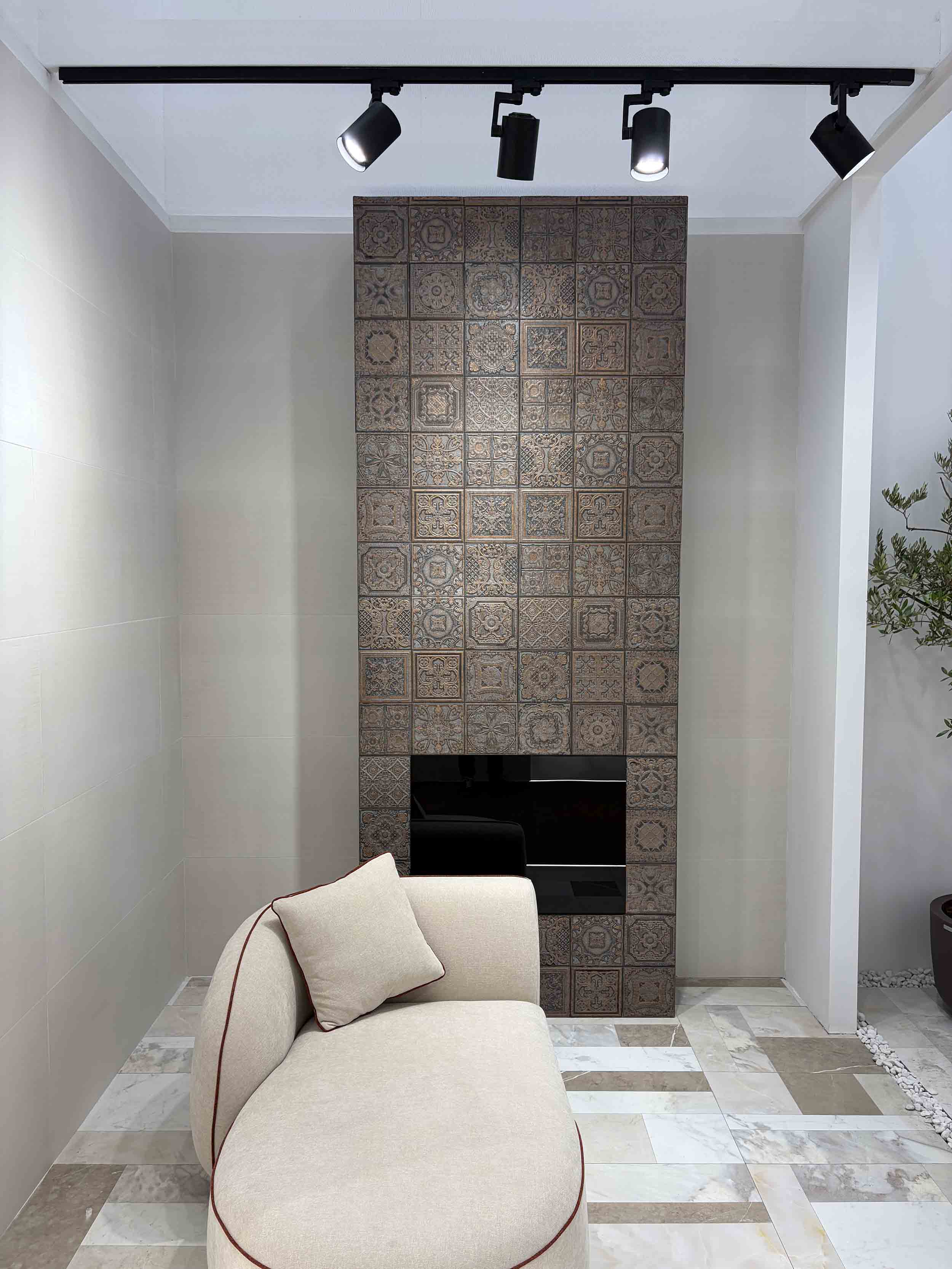
Marais brings the expressiveness of hammered sheet metal to ceramics. Its surface, inspired by the appearance of handcrafted brass, creates an interplay of texture, relief and light, available in the shades Nácar, Copper and Gold. The result is a porcelain tile with a strong material character that combines artisanal inspiration with ceramic technology.
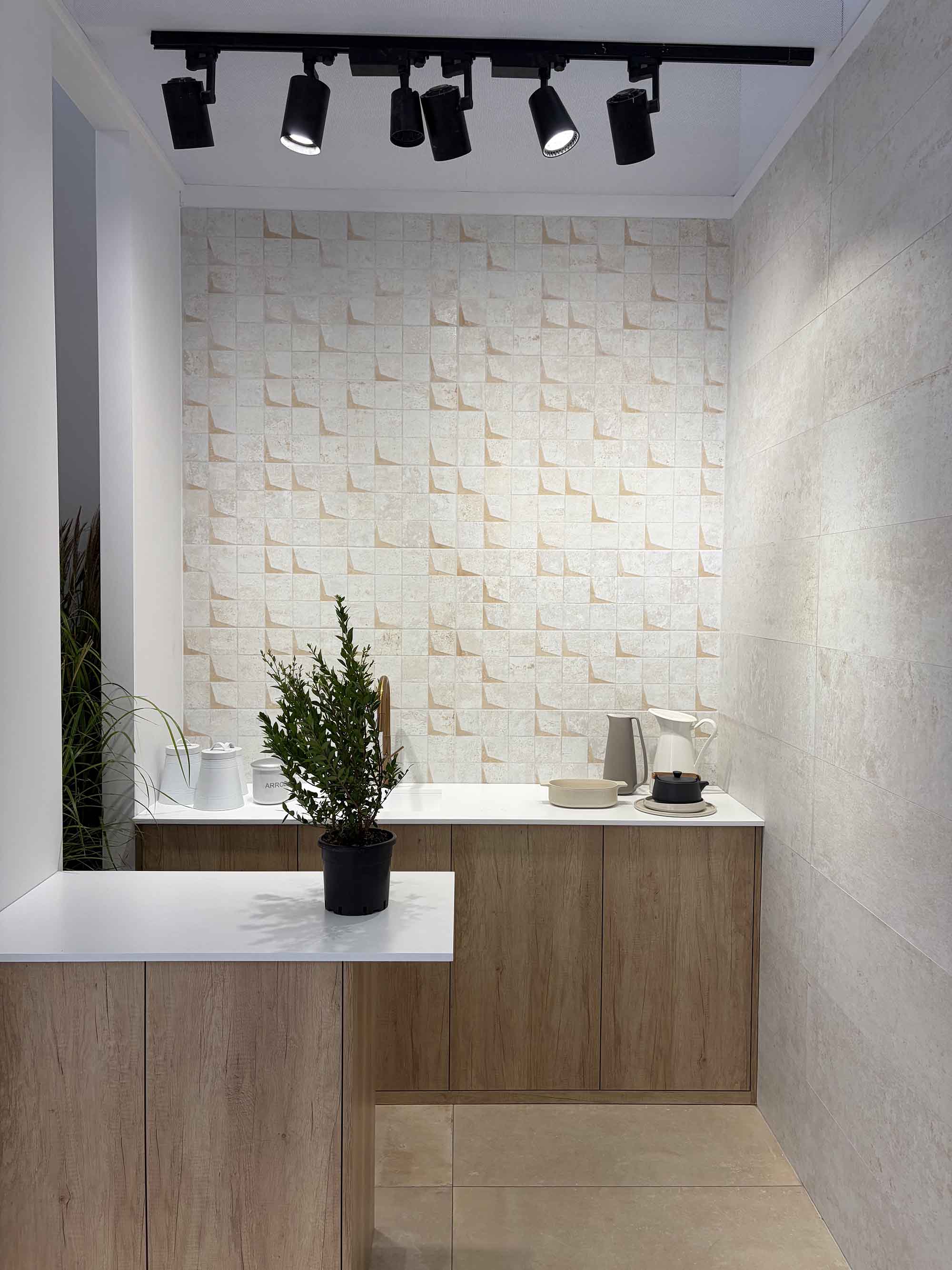
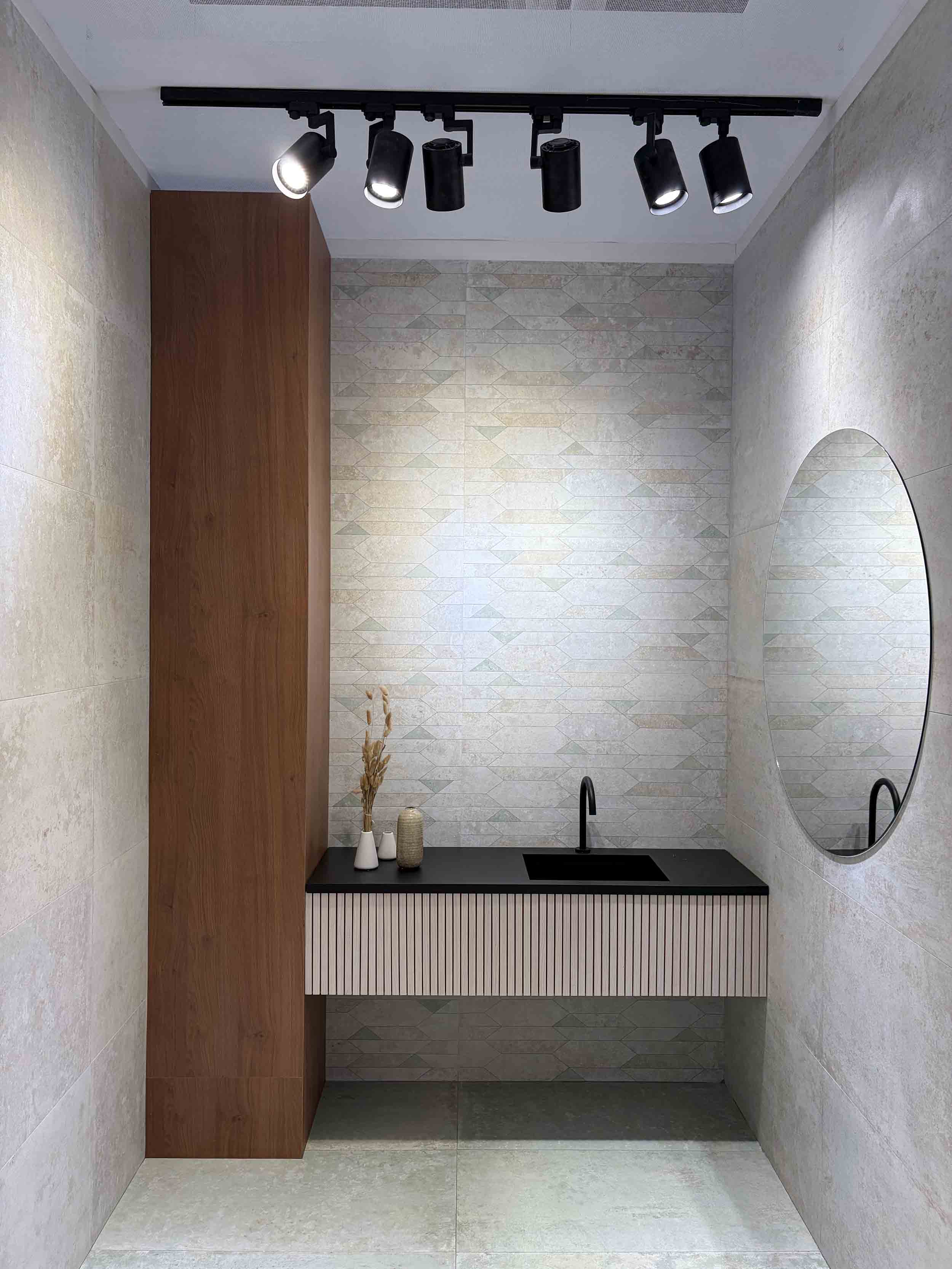
Alfar, designed to complement Noho, emphasises the serenity of architectural surfaces and relief as a decorative element. Its 30x100 cm white-body wall tiles are available in Green and White, whilst the White version features the Apex design, consisting of a geometric composition of raised squares. The PVD Silver and Gold finishes also introduce subtle metallic accents.
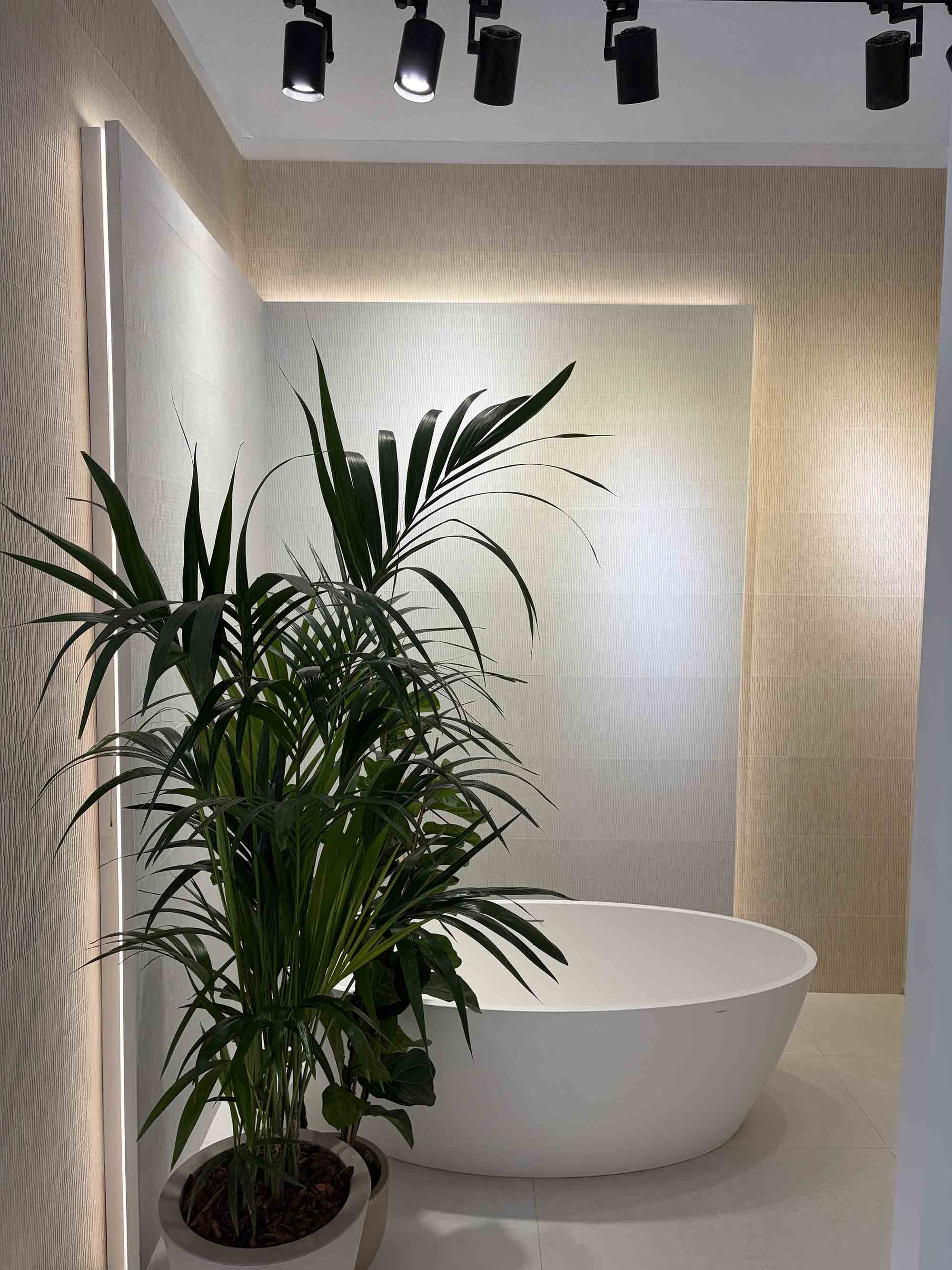
The Manoa collection draws inspiration from hand-crafted clay and the beauty of small imperfections. Its micro-texture creates linear sequences and repetitive patterns that barely alter the surface’s colour, allowing the light and shadows cast by the relief to lend depth. The White, Beige and Blue shades are complemented by the special Silver and Gold versions.
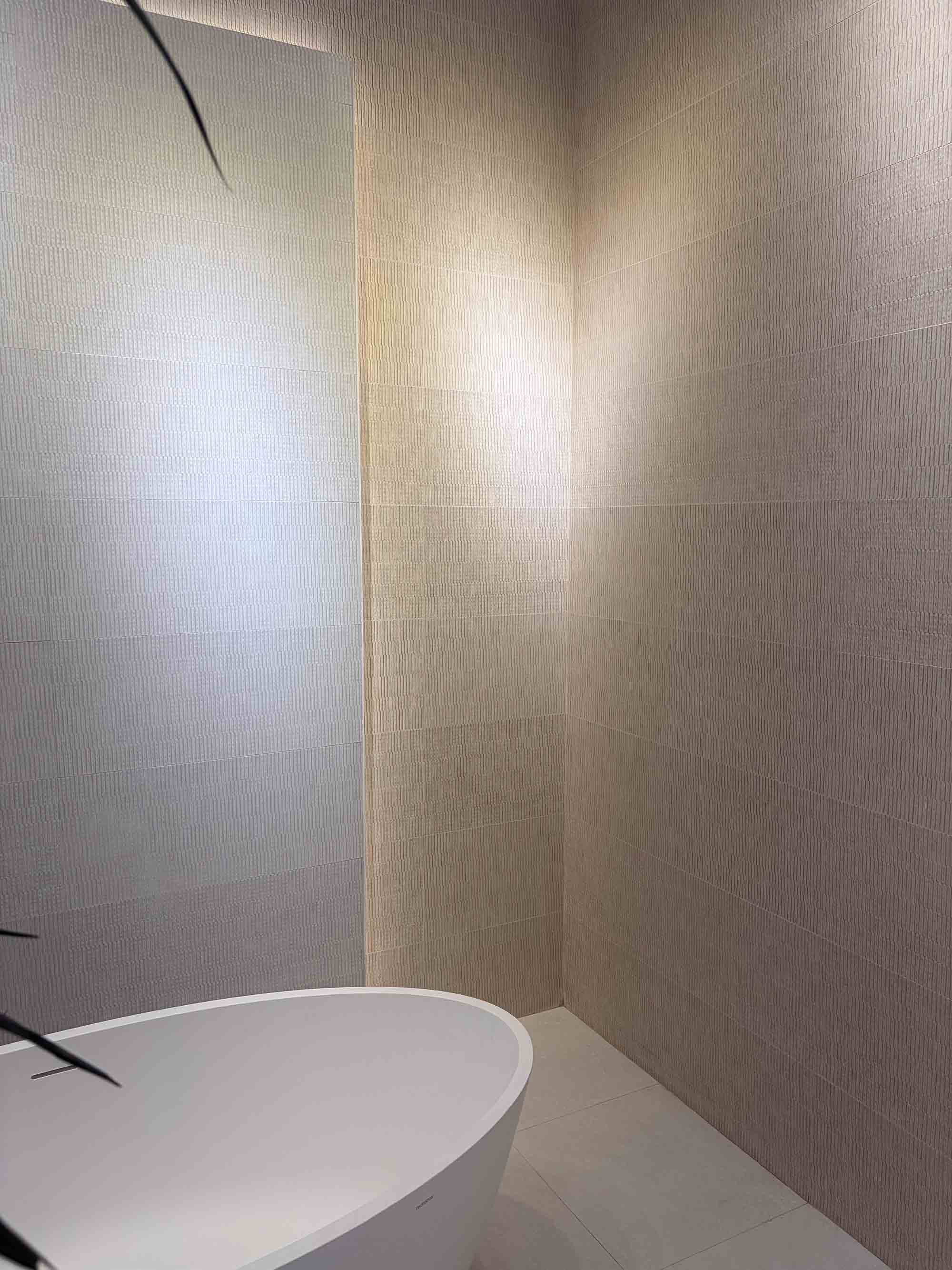
In Sfumato, marble is interpreted from a more dynamic perspective. Its varied patterns resemble small fragments of stone which, when combined, create a visual effect reminiscent of a multi-format design. Available in Grey and Salmon, the collection features 12 different faces for each colour, resulting in surfaces that are less repetitive and offer greater visual variety.
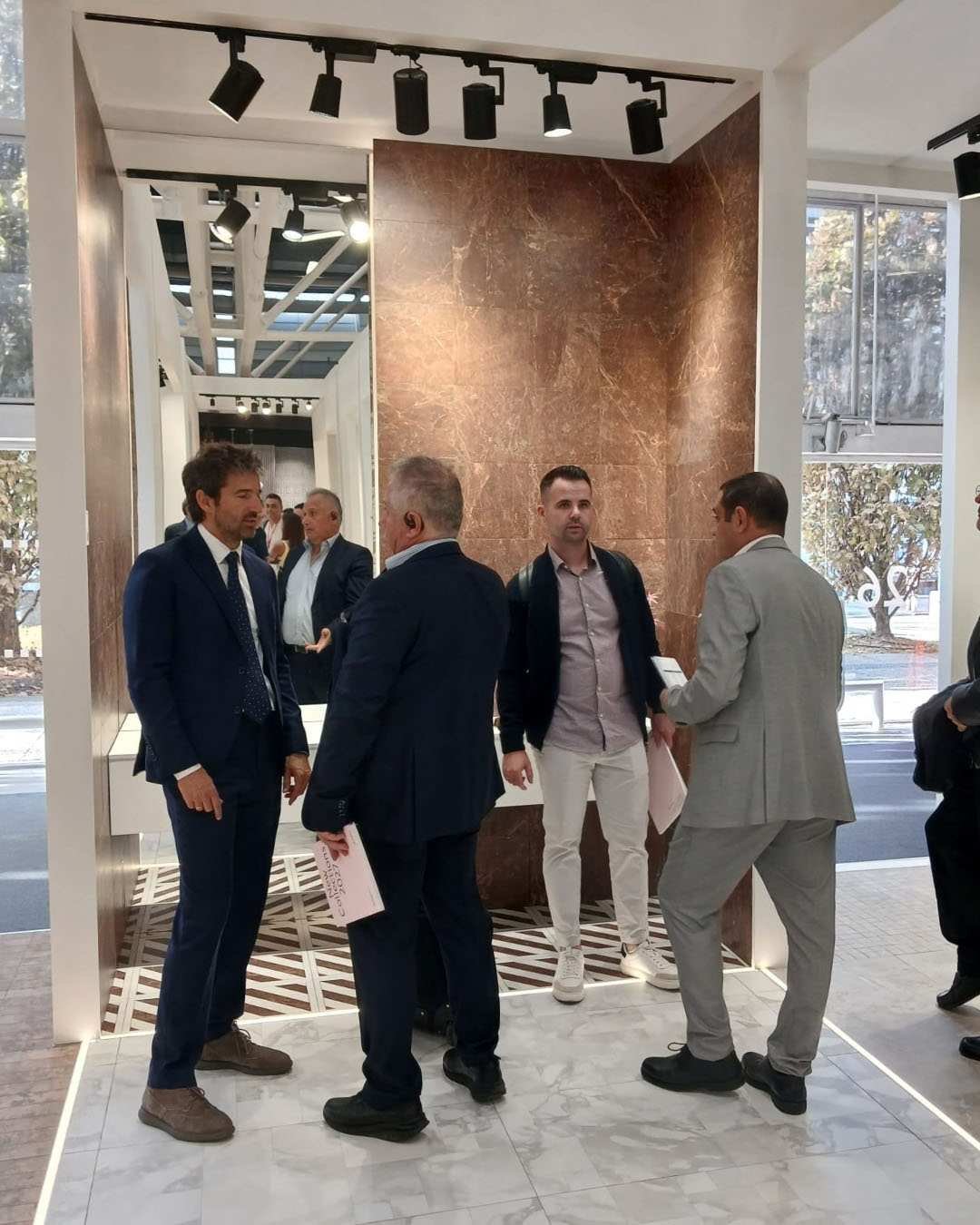
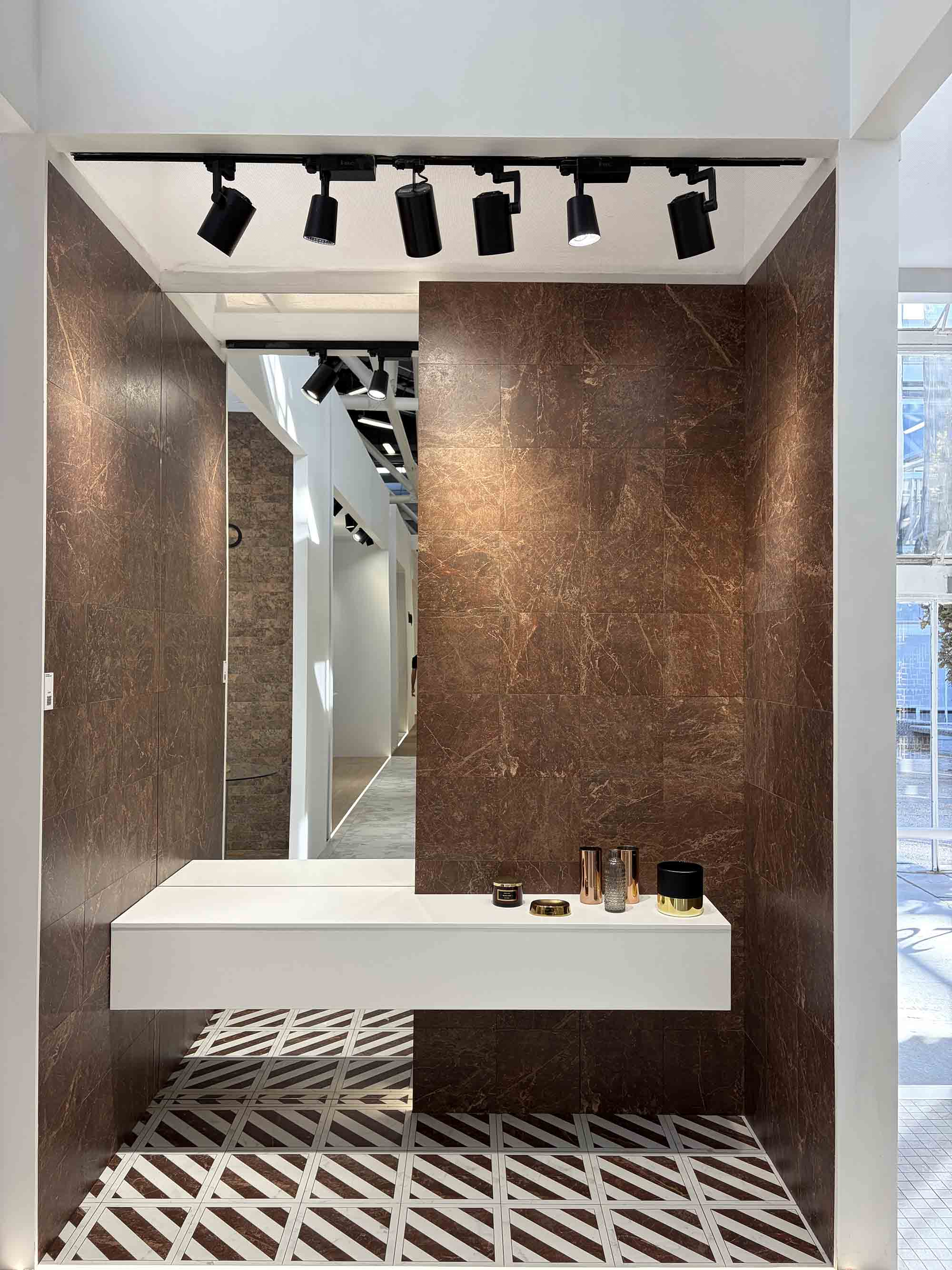
Uffizi takes marble to a more intense and decorative level. Its two colours, Rosso and Green, feature veins with great visual impact and are complemented by the Stamp versions, designed to create compositions and shapes on the surface. The 30x30 cm format thus takes on a particularly graphic quality, allowing you to experiment with the arrangement of the tiles and create bespoke patterns.
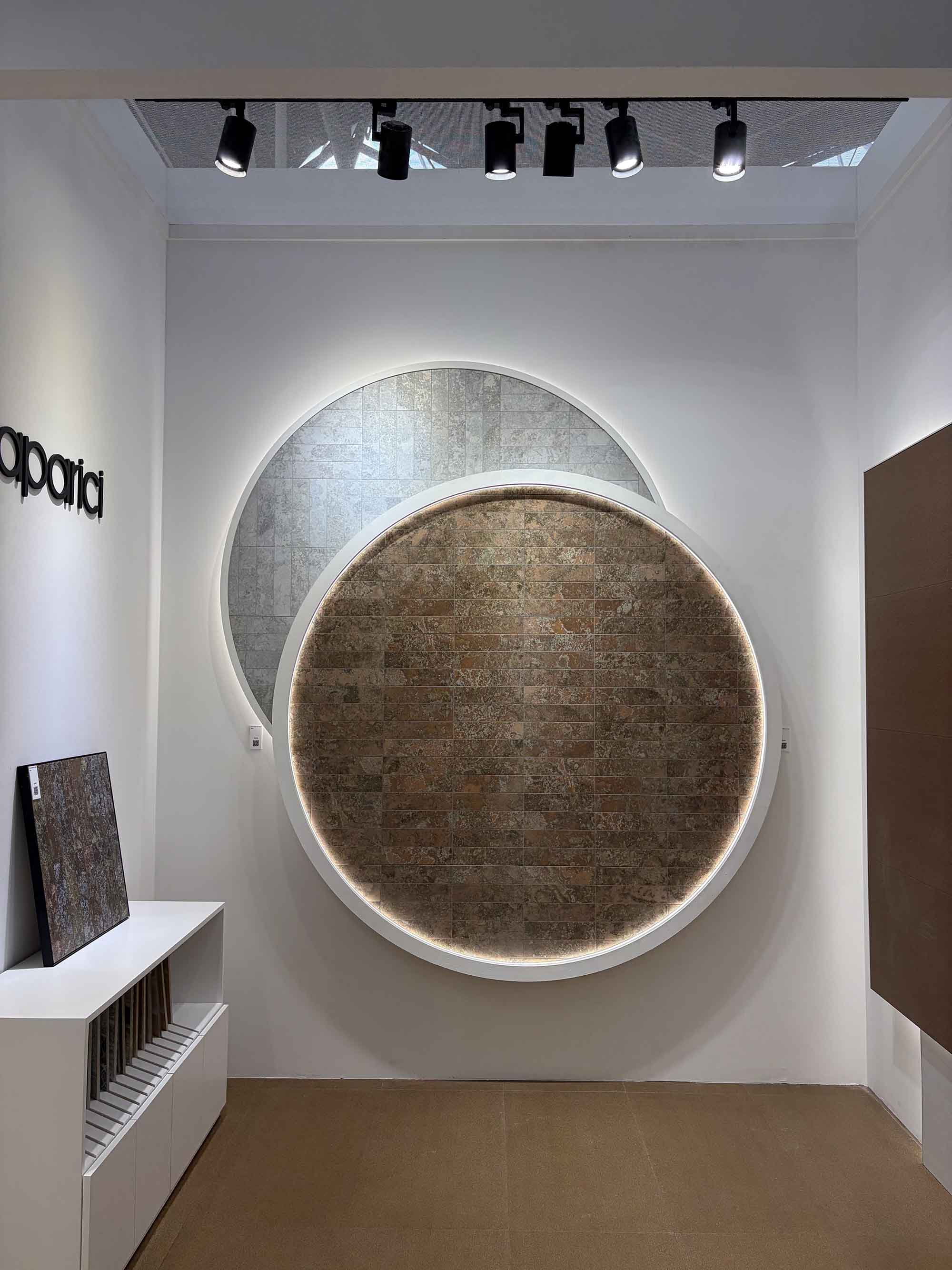
Finally, Smelt explores the industrial aesthetic of sheet metal treated with reactive acids. Available in Nácar, Brown, Copper, Gold and Silver, its surface features colour variations and marks reminiscent of metalworking processes. Its 60x60 cm format incorporates a visual cut-out that simulates 7.5x30 cm tiles, creating a modular effect without sacrificing the advantages of a larger tile.
New sizes for established collections
As well as the new collections, Cersaie 2026 also provided the setting for the launch of new formats and new possibilities within some of Cerámicas Aparici’s existing ranges.
One of the new additions is the Corten range, which expands its possibilities with 120x120 cm and 60x120 cm formats. The collection also features a new wall tile option in 30x100 cm, including Corten Ice Raked, whose relief adds a tactile dimension to the surface.
The design of Corten Ice Raked is characterised by a composition of linear reliefs that intersect and change direction, creating a dynamic geometric pattern. The alternating directions of the relief create a play of light and shadow that transforms the surface depending on the angle from which it is viewed, lending depth and movement to the wall tile.
Dstone is also expanding its range with 120x120 cm and 60x120 cm formats, whilst introducing a new ‘Cream’ shade. This expansion allows the collection’s design language to be applied to larger-scale surfaces and broadens its potential for use in architectural projects.
New sizes for Evoke and Sonora
The 30x100 cm size is now also available in two wall tile collections with very different styles: Evoke and Sonora.
Evoke incorporates this new size across its three colours – White, Blue and Green – allowing for the creation of more continuous surfaces and enhancing the overall visual impact of the design. The elongated format also offers new possibilities for composition and makes it easier to integrate the tiles into a variety of interior spaces.
In the Sonora collection, the 30x100 cm format is available in White, White Swell and Sonora Ornament, broadening the scope for combining the collection’s various designs. These three options allow you to create more serene surfaces or to introduce texture and decorative elements as the focal point.
Ceramic trends that are breaking new ground
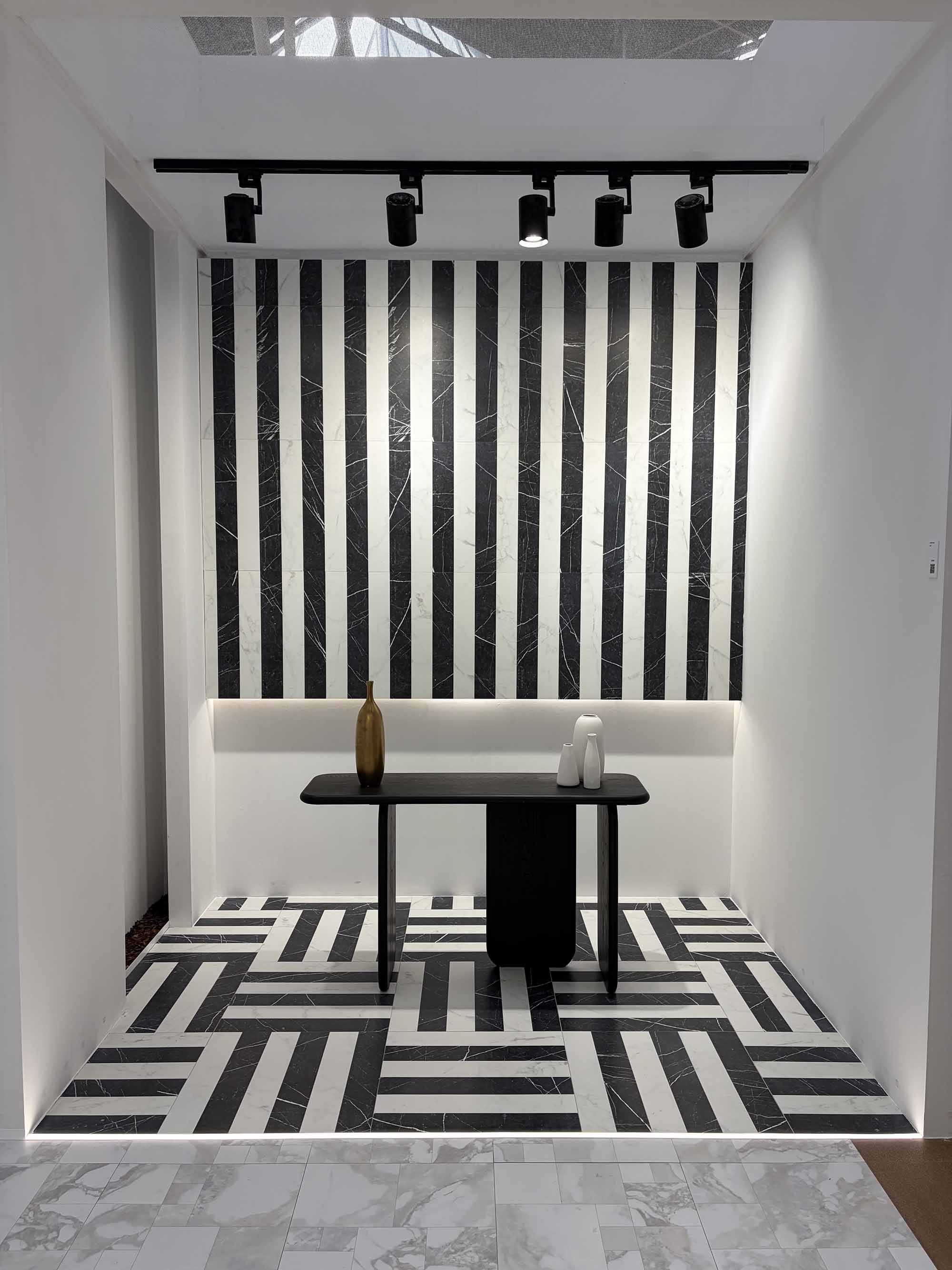
The new products presented by Cerámicas Aparici at Cersaie reflect some of the trends that continue to gain ground in contemporary ceramic design: tactile surfaces, reliefs, metallic effects, expressive marble finishes, larger formats and designs that lend themselves to creating compositions.
Texture takes on a particularly significant role. Whether through the geometric relief of Alfar, the handcrafted micro-texture of Manoa, the hammered surface of Marais or the Raked finish of Corten Ice, ceramics cease to be merely a visual surface and take on a tactile dimension.
The quest for reinterpreted materials also continues. Marble appears fragmented and dynamic in Sfumato or intense and ornamental in Uffizi, whilst Smelt and Marais translate the language of metal into ceramics through two different approaches. Added to this is the shift towards formats that allow for the creation of larger-scale surfaces and more continuous compositions.
A Cersaie to keep creating
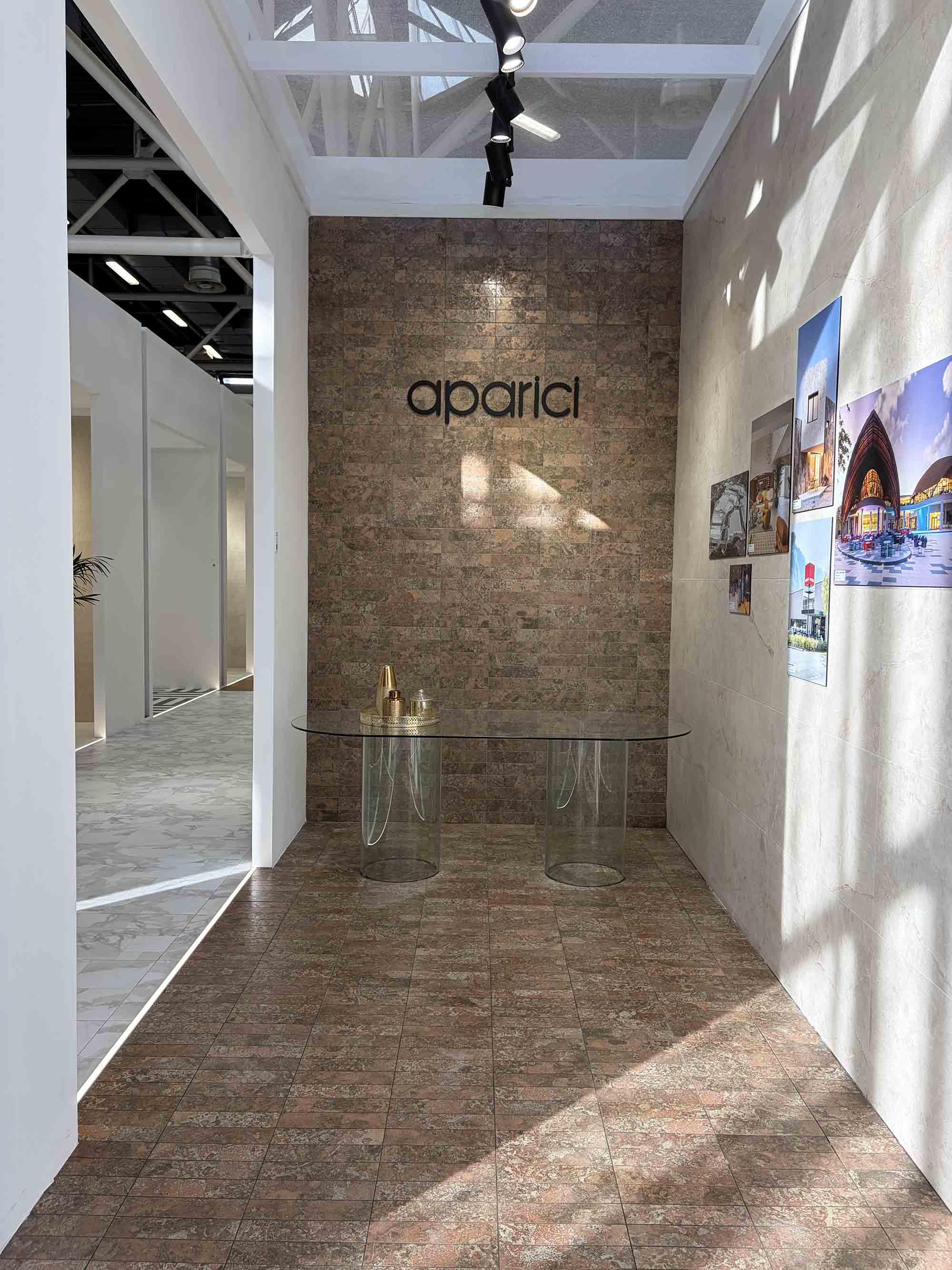
Cerámicas Aparici’s participation in Cersaie 2026 has enabled the company to present a new generation of designs whilst continuing to develop its established collections with new colours, formats and finishes.
The positive reception of the new products and the number of visitors during the fair have made this edition a particularly significant event for the brand. Architects, interior designers, distributors and industry professionals have been able to get a close look at the new collections and discover the possibilities they offer for future projects.
Cersaie thus once again demonstrates the value of face-to-face interaction centred on ceramics: an opportunity to present new ideas, exchange views and observe how the materials and surfaces that will form part of the spaces of the future are evolving.